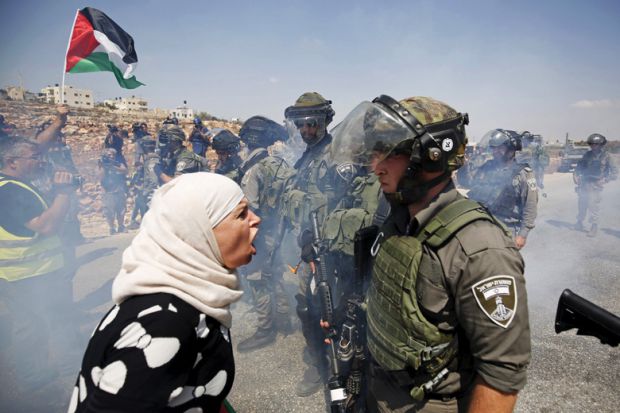
Paper: Why is public health care better?

Viva Salud, a Belgian ngo, just finished a new paper on the threats of privatizations in the health sector.

In their new paper “Why is public health care better” you’ll learn:

  • why privatisation causes bigger inequality in access to health care
  • why privatisation is often more expensive on a long term
  • why privatisation is not more efficient
  • why privatisation doesn’t mean better quality
  • why privatisation means less government control
  • why privatisation means less availability of health care workers and worse working conditions
  • what kind of health care system we would like to promote
  • examples of successful social movements campaigns

The paper can be downloaded for free: 

English: http://en.vivasalud.be/news/paper-why-public-health-care-better

French: http://fr.vivasalud.be/news/dossier%C2%A0-pourquoi-les-soins-de-sant%C3%A9-publics-sont-meilleurs

Dutch: http://nl.vivasalud.be/news/paper-waarom-publieke-gezondheidszorg-beter

The paper deconstructs 6 often heard misconceptions about the supposed benefits of bringing the market into health care. Based on research and case studies from all over our planet, we learn why privatizations don’t lead to more efficiency, quality, health care workers nor equality.

The paper also shows hopeful examples of victories by social movements, and talks about the alternatives that we can demand.

Open Letter in Support of Prof. Füsun Üstel and All Other Academics in Turkey Facing Imprisonment for Advocating Peace

As members of academic communities around the world, we strongly condemn the sentencing of Professor Füsun Üstel of Galatasaray University in İstanbul to 15 months in prison. Prof. Füsun Üstel was charged with “propagandizing for a terrorist organization” (Article No. 7/2 of Turkey’s Anti-Terror Law No. 3713), because she, together with over two thousand other academics in Turkey, signed the Academics for Peace statement “We will not be a party to this crime,” which criticized military actions in the Kurdish regions of the country.[1] Prof. Füsun Üstel was sentenced last year, but rather than accept the decision and have her sentence suspended, she appealed and the sentence was upheld by the İstanbul Regional Appeals Court on March 3, 2019.

Of the 1387 hearings for signatories to the Academics for Peace statement to date, the cases of 141 academics have been decided. 102 of these academics were sentenced to 15 months; 15 academics to 27 months; 14 academics to 22 months; 5 academics to 18 months; and 5 academics to 25 months or more in prison.[2,3] Of these decisions, 37 were appealed and Prof. Füsun Üstel’s is the first among them to be decided, thus serving as a dangerous precedent. 124 other signatories are currently awaiting their first hearings.[4]

We call upon the Turkish government to immediately suspend the trials of all signatories to the Academics for Peace statement “We will not be a party to this crime.”

We call upon the authorities to immediately exonerate Professor Füsun Üstel and the other 140 academics sentenced to prison for petitioning their government.

We express our solidarity with the academics and students who are targeted by the regime in Turkey for exercising their freedom of speech and academic freedom and we call upon academics around the world to use all available means to support them[5], including freezing academic collaborations with complicit higher education institutions and universities that deliberately target academic freedom.[6,7]

*Authored by members of the Research Institute on Turkey and Academic Solidarity Network and posted for signatures on March 11, 2019. Intended recipients include the Permanent Representative of Turkey to the United Nations and Turkish Consulate General in New York, as well as Turkey’s Minister of Justice, Higher Education Council President, Minister of National Education, Prime Minister, and President.

Institution and Group Endorsements:
Research Institute on Turkey
Academic Solidarity Network
Forum Transregionale Studien
Article 19
Global Freedom of Expression, Columbia University
Academics for Peace – North America

[Scroll all the way down to add your signature. Your signature will not appear immediately, but the list will be periodically updated. Please share this letter with others as soon as possible]

*To be informed about future solidarity actions, contact solidarityacademics@gmail.com

[1] http://bianet.org/english/human-rights/170978-academics-we-will-not-be-a-party-to-this-crime
[2] https://bianet.org/english/freedom-of-expression/206037-court-of-appeal-upholds-first-prison-sentence-of-an-academic-for-peace
[3] Hearing statistics for Academics for Peace: goo.gl/b6NdZP
[3] https://bianet.org/english/freedom-of-expression/206037-court-of-appeal-upholds-first-prison-sentence-of-an-academic-for-peace
[4] For more information about the Academics for Peace trials, see https://afp.hypotheses.org/
[5] For a list of concrete ways academics can take action, see https://blog.apaonline.org/2016/08/04/seven-ways-you-can-support-academics-in-turkey/
[6] For information about freezing academic collaborations, see https://academicboycottofturkey.wordpress.com
[7] For a list of complicit institutions, see https://academicboycottofturkey.wordpress.com/complicit-universities/

SIGNATURES (The names of students in Turkey have been redacted for their safety)

Nobel Laureates
*Roald Hoffmann, Professor Emeritus, Cornell University, Ithaca, NY, USA, Nobel Prize in Chemistry, 1981
*Claude Cohen-Tannoudji, Emeritus Professor at the Collège de France, Paris, France, Nobel Prize in Physics, 1997
*Torsten Wiesel, President Emeritus, Rockefeller University, New York, USA, Nobel Prize in Physiology or Medicine, 1981

1. Bruce Alberts, Chancellor’s Professor of Science and Education, University of California, San Francisco, USA
2. Axel Honneth, Jack C. Weinstein Professor for the Humanities, Department of Philosophy, Columbia University, USA
3. Seyla Benhabib, Eugene Meyer Professor of Political Science and Philosophy, Yale University, USA
4. Étienne Balibar, Professeur émérite (philosophie), Université de Paris-Ouest, Anniversary Chair in Modern European Philosophy, Kingston University, London
5. Wendy Brown, Class of 1936 First Chair, Political Science, UC Berkeley, USA
6. Elazar Barkan, Professor of International and Public Affairs, Director Institute for the Study of Human Rights and SIPA Human Rights and Humanitarian Policy Concentration, Columbia University, NYC, USA
7. Joan W. Scott, Professor Emerita, School of Social Science, Institute for Advanced Study, Princeton NJ, USA
8. Sally Haslanger, Ford Professor of Philosophy and Women’s and Gender Studies, MIT, Boston, USA
9. Rahel Jaeggi, Professor of Philosophy, Humboldt Universität & Center for Humanities and Social Change, Berlin, Germany
10. Judith Butler, Maxine Elliot Professor in the Department of Comparative Literature and the Program of Critical Theory, University of California, Berkeley, USA
11. David L. Phillips, Director of Peace building & Rights, ISHR, Columbia University, New York, USA
12. Eric Nestler, MD, PhD, Nash Family Professor of Neuroscience, Director, The Friedman Brain Institute, Dean for Academic and Scientific Affairs, Icahn School of Medicine at Mount Sinai, New York, USA
13. Prof.em. Elisabeth Rachlew, Physics Dept, Royal Inst. Techn., Stockholm, Sweden
14. Didier Fassin, James D. Professor, School of Social Science, Institute for Advanced Study, Princeton, NJ, USA
15. Dr. Georges Khalil, Academic Coordinator, Forum Transregionale Studien, Germany
16. Nancy Fraser, Professor of Philosophy and Politics, New School for Social Research, USA
17. Timur Kuran, Professor of Economics and Political Science, and Gorter Family Professor of Islamic Studies, Duke University
18. Peter Niesen, Professor of Political Theory, University of Hamburg
19. Bernard E. Harcourt, Sulzbacher Professor of Law and Political Science, Columbia University, USA/Directeur d’études, EHESS, France
20. Timothy Mitchell, Professor, Department of Middle Eastern, South Asian, and African Studies, Columbia University, USA
21. Robin Celikates, Associate Professor of Philosophy, University of Amsterdam/Institute for Advanced Study, Princeton, USA
22. Jessica Winegar, Professor of Anthropology, Northwestern University, Chicago, USA
23. Dr. Eva von Redecker, Humboldt-University, Berlin, Germany
24. Anthony O’Brien, English Department (ret.), Queens College, City University of New York, New York, USA
25. Anita Mehta, Leverhulme Visiting Professor, Oxford, United Kingdom
26. Professor Teresa Heffernan, Department of English, Saint Mary’s University, Halifax, NS, CAN
27. Ben Brucato, Assistant Professor of Sociology and Justice Studies, Rhode Island College, Providence, RI, USA
28. Corey McCall, Associate Professor of Philosophy, Elmira College, Elmira, NY
29. Dr. Evangelos Ntontis, Lecturer in Psychology, School of Psychology, Politics, and Sociology, Canterbury Christ Church University, UK
30. Michael Rothberg, 1939 Society Chair in Holocaust Studies, UCLA, USA
31. Immanuel Ness, Political Science, Brooklyn College, City University of new York, New York, USA
32. Jean E. Howard, George Delacorte Professor in the Humanities, Columbia University, NYC, USA
33. Deniz Cenk Demir, Ph.D. Student. The University of Akron, Ohio, USA
34. Habibe Senturk, PhD student, University of Göttingen
35. Ward Keeler, Professor of Anthropology, University of Texas at Austin, Austin, Texas, USA
36. Evan Moskowitz, doctoral student, CUNY Graduate Center, New York, United States
37. Thuc Linh Nguyen Vu, PhD student European University Institute, Florence
38. Lena Hande Plassmann, BA student, University of Düsseldorf
39. Sruti Bala, Associate Professor Theatre Studies, University of Amsterdam, Netherlands
40. Darin Barney, Grierson Chair in Communication Studies, McGill University
41. Eric Schliesser, Professor, University of Amsterdam
42. Daniel Loick, Fellow, Center for humanities and social change, Berlin, Germany
43. Suad Sakalli Gumus, Faculty, Saint Mary of the Woods College, Terre Haute, IN, USA
44. Robin S. Dillon, William Wilson Selfridge Professor of Philosophy, Lehigh University, Bethlehem PA USA
45. Gary Shapiro, Professor of Philosophy, University of Richmond, USA
46. Çağla E. Aykaç, Dr., Geneva University, Switzerland
47. Mehmet Kucukozer, Associate Professor of Sociology, Dutchess Community College, Poughkeepsie, USA
48. Dr. Martin E. Rosenberg, The New Centre For Research and Practice, USA
49. Anna Kende, Associate Professor, Eötvös Loránd University, Budapest, Hungary
50. Chris Fox PhD, Associate Professor of Philosophy, Newman University, Wichita, KS, USA
51. Yolande Jansen, Associate Prof. of Philosophy, University of Amsterdam and Free University of Amsterdam, Netherlands
52. Dr. Bülent Somay, University of Oslo, Visiting Researcher, Norway
53. Gary L. Herstein, PhD, Independent Scholar, National Coalition of Independent Scholars, Johnston City, IL, USA
54. Eloe Kingma, Amsterdam School for Cultural Analysis (ASCA) at the University of Amsterdam, Netherlands
55. Dirk Moses, Professor of Modern History, University of Sydney, Australia
56. Prof. Dr. Christian Neuhäuser, University of Dortmund, Germany
57. Ohannes Kılıçdağı, PhD , Harvard University, Visiting Scholar, Cambridge, USA
58. Hanh Vu, Graduate Student, University of Louisiana at Lafayette, LA, USA
59. Axel Mueller, Northwestern University, Evanston, USA
60. Ulrike Kiessling, MA, University of Basel, Basel, Switzerland
61. Dr Nikos Bozatzis, Assistant Professor in Social Psychology, Psychology Section, University of Ioannina, Greece
62. Dr Claire Launchbury, University of Leeds, UK
63. Secil Binboga, Doctoral Student, University of Michigan, Ann Arbor, USA
64. Dr. Rineke van Daalen, University of Amsterdam, Amsterdam, The Netherlands
65. Anna Goppel, Associate Professor of Practical Philosophy, University of Bern
66. Kathy Kiloh, Assistant Professor, OCAD University, Toronto, Canada
67. Sarah Bracke, Professor, University of Amsterdam, The Netherlands
68. Anne Bannink, Associate Professor of Linguistics, English Dept, University of Amsterdam, The Netherlands
69. Nerissa Russell, Professor, Cornell University, USA
70. Nandini Deo, Associate Prof, Lehigh University, USA
71. Yahya Madra, Associate Professor of Economics, Drew University, Madison NJ, USA
72. Saygun Gokariksel, Assistant Professor, Istanbul, Turkey
73. Anastasia Thamnopoulou, Master Student, University of Bonn, Germany
74. Pinar Dinc, Dr., Lund University, Lund, Sweden
75. Dr Patricia Gerakopoulou, NKUA, Athens, Greece
76. Rasha Qass Yousef, Berlin
77. Stathis Papastathopoulos, Assistant Professor, University of Ioannina, Ioannina, Greece
78. Balázs Váradi PhD, research associate, ELTE University, Budapest, Hungary
79. Felix Diaz, Associate Professor of Psychology, American University in Bulgaria, Blagoevgrad, Bulgaria
80. Chris Monroe, Senior Lecturer, Cornell University, Ithaca, NY, USA
81. Hilal Unal, Graduate Student, The University of British Columbia, Vancouver
82. Ian Parker, Emeritus Professor of Management, University of Leicester, UK
83. Maria Nikolakaki, Associate Professor, University of Peloponnese, Greece
84. Lupicinio Íñiguez-Rueda, Universitat Autònoma de Barcelona, Bellaterra, Spain
85. Stef Craps, Professor of English Literature, Ghent University, Belgium
86. Burcu Ozdemir, Graduate Student, City University of New York, USA
87. David Mead, Professor of UK Human Rights Law, UNiversity of East Anglia, UK
88. Atagün Mert Kejanlıoğlu, Doctoral Student, McGill University, Montréal, QC, Canada
89. Ayça Çubukçu, Associate Professor in Human Rights, London School of Economics and Political Science
90. Sercan Cinar, PhD Candidate, Central European University, Budapest, Hungary
91. Nalan Erbil, PhD, University of Wisconsin-Madison, USA
92. Patrizia Nanz, Professor of Transformative Sustainability Studies, University of Potsdam and Scientific Director of the IASS
93. Latif Tas, Dr., SOAS University of London, UK
94. Anthony Barthelemy, Associate Professor of English, University of Miami, Coral Gables, FL, USA
95. Andres Moles, PhD, Associate Professor, Central European University
96. Luz M. Martínez, profesora de Psicología Social, Universitat Autònoma de Barcelona, Catalunya, Spain
97. Suvir Kaul, A M Rosenthal Professor, University of Pennsylvania
98. Hakki Tas, Research Fellow, German Institute of Global and Area Studies, Hamburg, Germany
99. Vasuki Nesiah, Assoc. Prof. of Practice, NYU
100. Sidney Luckett, Dr., University of Cape Town, Cape Town, South Africa
101. Professor Zohreh T. Sullivan, University of Illinois at Urbana-Champaign, Illinois, USA
102. Claudette Lauzon, Simon Fraser University, Vancouver, Canada
103. Patrick Bray, Ohio State University, Columbus USA
104. Mazen Masri, Senior Lecturer in Law, City University of London
105. Umut Özsu, Assistant Professor, Carleton University, Ottawa, Canada
106. Boyd van Dijk, Lecturer, University of Amsterdam, The Netherlands
107. Dr Nara Ganbat, Australian National University, Canberra, Australia
108. Prof. John Waters, New York University, NYC, USA
109. Stephen Reicher, Wardlaw Professor of Psychology, University of St. Andrews, Scotland
110. Kamuran Akın, PhD Candidate, Humboldt University, Academic for Peace in Turkey
111. Audrey Bryan, School of Human Development, Dublin City University, Dublin, Ireland.
112. Michael Fakhri, Associate Professor, University of Oregon School of Law, Eugene, USA
113. Michael Quayl, PhD, University of Limerick, Ireland
114. Adam Brown, Associate Professor of Psychology, New School for Social Research, NYC, USA
115. Markus Gunneflo, Senior Lecturer in Law, Lund University, Sweden
116. Sefa Ozalp, Lead Data Science Researcher, Cardiff University Hate Lab, Cardiff, UK
117. Mİne Gencel Bek, University of Siegen, Germany
118. Dies van der Linde, PhD Candidate, Royal Holloway, UK
119. Nil Mutluer, Humboldt University, Berlin, Germany
120. Angela Naimou, Associate Professor, Clemson University, USA
121. Tolga Tören, University of Kassel, Germany
122. Leona Binz, Program Assistant, Scholars at Risk, New York, USA
123. Sahan Karatasli, Assistant Professor, University of North Carolina at Greensboro
124. Sherene Seikaly, Associate Professor, UCSB
125. Cesare Casarino, Professor of Cultural Studies and Comparative Literature, University of Minnesota, U.S.A.
126. Gijs van Donselaar, Assistant Professor, Philosophy, University of Amsterdam, The Netherlands
127. Pinar Ustel, Doctoral Student, University of Michigan, Ann Arbor, USA
128. Adam Sabra, Professor of History, University of California, Santa Barbara, USA
129. Ceylan Begüm Yıldız, PhD Candidate, Birkbeck College/ School of Law, London/ UK
130. Joshua Schreier, Professor of History, Vassar College, Poughkeepsie, USA
131. Tea Sindbaek Andersen, Associate Professor, University of Copenhagen, Denmark
132. Maja Kutlaca, Postdoctoral student, University of Osnabrueck, Germany
133. Sirry Alang , Assistant Professor, Lehigh University, Bethlehem, Pennsylvania USA
134. Stefano Giani, Subject librarian, University of Amsterdam, The Netherlands
135. Cagdas Acar, Adjunct lecturer, Istanbul Arel University-Bogazici University, Istanbul, Turkey
136. Concepcion Fernandez, Universidad Complutebse, Madrid, España
137. Didem Aydin, Language Educator, RMIT University, Melbourne
138. Dr. Latife Akyüz Goethe University, Frankfurt am Main, Germany
139. Engin Sustam, Associate Prof. University Paris 8, Paris, France
140. Clare Crowston, Professor, University of Illinois at Urbana-Champaign, USA
141. John Christman, Professor of Philosophy, Pennsylvania State U., USA
142. [Name Redacted] Graduate Student, Hacettepe University, Ankara-Turkey
143. Alice Baroni, Postdoctoral fellow, University of Padova, Padova, Italy
144. Eddo Evink, Professor of Philosophy, Open University, Heerlen, the Netherlands / University of Groningen, the Netherlands
145. Vanessa E. Thompson, Dr.des., Goethe University Frankfurt, Germany
146. Giuseppe Acconcia, University of Padova
147. Dr Honni van Rijswijk, Faculty of Law, UTS, Australia
148. Brian Crim, John Mills Turner Distinguished Chair in the Humanities, University of Lynchburg
149. Mai Taha, Assistant Professor, American University in Cairo, Egypt
150. Mehmet Yavuz, Graduate Student, Central European University, Budapest, Hungary
151. Sonya Andermahr, Reader in English, University of Northampton, UK
152. Dr Elena Loizidou, Reader in Law and Political Theory, Birkbeck College, University of London, London, UK
153. Dr Paul Hutchings, Psychology Programme Director, University of Wales Trinity Saint David, UK
154. Machiel Keestra, Ass. Professor of Philosophy, University of Amsterdam, the Netherlands
155. Athanasios Marvakis, Professor, Aristotle University Thessaloniki, GR
156. Oliver Kossack, Doctoral Student, European University Viadrina Frankfurt (Oder), Germany
157. Quoc Dang, Graduate Student, University of Louisiana at Lafayette, Louisiana, United States
158. Sandra Penić, Postdoctoral researcher, University of Lausanne, Switzerland
159. Ozan Altinok, PhD candidate, WWU Münster, Germany
160. Till Junge, Postdoctoral Researcher, EPFL, Lausanne, Switzerland
161. Ümmet Ceren, Turkey
162. Fereshteh Ahmadi, professor in sociology, University of Gavle, Sweden
163. Corey Payne, Department of Sociology, Johns Hopkins University (Baltimore, USA)
164. Caren Kaplan, Professor, American Studies, UC Davis, USA
165. Nadje Al-Ali, Brown University, NY, USA
166. Simten Cosar, Visiting Scholar, Cornell University, Ithaca, NY, USA
167. Winnifred Louis, Professor, University of Queensland, Brisbane, Australia
168. Nurhak Polat, Dr., Bremen University, Germany
169. Yudit Namer, PhD, Bielefeld University, Germany
170. Ekrem Duzen, PhD, Bielefeld University, Germany
171. Enise Şeyda Kapusuz, PhD researcher, EUI-HEC, Florence, Italy
172. Sertan Saral, PhD candidate, The University of Sydney, Sydney, Australia
173. Barbara Biglia, Associate Professor, Universitat Rovira i Virgili, Spain
174. Yael Navaro, Reader in Social Anthropology, University of Cambridge, UK
175. Dr Noemi Levy-Aksu, LSE, UK
176. Chandni Desai, University of Toronto, Toronto, Ontario, Canada
177. Eef Masson, Assistant Professor Media Studies, University of Amsterdam, the Netherlands
178. Şeref Kavak, Dr., Lecturer in International Relations, Institut d’études politiques de Paris (Sciences Po), France
179. Maho Aikawa, Doctoral Student, Clark University, Worcester, MA, U.S.A
180. Ayşe Polat, Graduate Student, University of Cambridge, London, UK
181. Siddharth Soni, PhD Candidate, University of Cambridge, Cambridge, UK
182. Övül Ö. Durmusoglu, Curator, Berlin, Germany
183. Halil Ibrahim Yenigun, Postdoctoral Fellow, Stanford University, Stanford, CA, USA
184. Cynthia Willett, Professor, Emory University, Atlanta, Ga, USA
185. Johanna Ray Vollhardt, Clark University, Worcester, MA, USA
186. Jesse Benn, PhD student/teaching assistant, UW-Madison, USA
187. Yvonne Groseil, PhD. New York, NY National Coalition of Independent Scholars
188. Bonnie Honig, professor, Brown University, Providence RI, USA
189. Hugh Miller, Assistant Professor of Philosophy, Loyola University Chicago, Chicago, USA
190. H. Selda Aksoy- Psychological and Psychiatric Anthropology Master Degree and Shamanic Healer& Reiki Practitioner
191. Monica Moreno Figueroa, Senior Lecturer in Sociology, University of Cambridge, Cambridge UK
192. Mary Louise Adams, Professor, Queen’s University, Kingston, Canada
193. Christopher Dole, Professor, Amherst College, Amherst, MA, USA
194. Mesadet Maria Sozmen, PhD student, University of California Santa Barbara, USA
195. Jeffrey Flynn, Associate Professor, Fordham University, New York, NY, USA
196. Elizabeth Shakman Hurd, Professor, Northwestern University, Evanston, USA
197. Özge Savaş, PhD Candidate, University of Michigan, MI, USA
198. A. Naomi Paik, University of Illinois, Urbana-Champaign, Champaign, IL, USA
199. Emily Gilbert, Canadian Studies and Geography, University of Toronto
200. C. E. Emmer, Professor of Philosophy, Emporia State University, KS, USA
201. Peter Steggals, Postdoctoral research fellow, School of Geography, Politics and Sociology, Newcastle University, Newcastle Upon Tyne, UK
202. Dr. Richard Yanowitz, independent scholar, Hamden CT USA
203. Nihan Aksakallı Associated Professor Oral Pathology, Istanbul University Institute of Oncology
204. R. Perez Leon UNAM, Mexico
205. Wilson Valentín-Escobar, Associate Professor, Hampshire College, Amherst, MA, USA
206. Rakshi Rath, Assistant Professor, JSLH, India
207. Patrick Burkart, Texas A&M University, Houston, USA
208. Irina Ceric, Instructor, Kwantlen Polytechnic University, Vancouver, Canada
209. Michael Großbach, Dr. rer. nat, Hochschule für Musik, Theater und Medien, Hannover, Germany
210. [Name redacted], PhD Student, Izmir, Turkey
211. Zachary Levenson, Assistant Professor of Sociology, University of North Carolina, Greensboro, USA
212. Necati Ogur Yuzbasioglu New England Kurdish Association
213. Silvia Hirschi, BSc (Hons) student Social Psychology, Open University, Milton Keynes, UK
214. Dr. Sherry L Bryant, Independent Scholar, National Coalition of Independent Scholars, Chicago, IL, USA
215. Thaddeus Metz, Distinguished Professor, University of Johannesburg, South Africa
216. Hilal Celikkaya, Graduate Student, TU Dresden, Dresden, Germany
217. Maria Bates, Professor, Pierce College, USA
218. Dr Anne Templeton, Lecturer in Social Psychology, University of Edinburgh, UK
219. Eirini Avramopoulou, Assistant Professor, Panteion University, Athens, Greece
220. Gerasimos Kakoliris, Assistant Professor of Philosophy, University of Athens, Greece
221. Olav Eikeland, Professor, Oslo Metropolitan University, Oslo, Norway.
222. Nihat Kotluk, PhD, Independent Researcher, Educational Sciences
223. Dr Helen Kara, Director, We Research It Ltd, and Fellow, Academy of Social Sciences, UK
224. Tiziano Latini – MiBAC Ministero per i Beni e le Attività Culturali – Italy
225. Simeon Newman, PhD candidate, University of Michigan, Ann Arbor, USA
226. Alireza Behtoui professor Stockholm University
227. Armanc Yildiz, PhD Candidate, Harvard University
228. Etienne Copeaux, historian, independant researcher, France
229. Erol Gelenbe, Imperial College London
230. Jennifer Marchant, Conservator of Antiquities, Fitzwilliam Museum, University of Cambridge, UK
231. Dr. Joel Feliu, Professor Titular, Universitat Autònoma de Barcelona, Bellaterra, Catalonia.
232. Alisa Lebow, Reader in Film Studies, University of Sussex, UK
233. Tobias Smith, PhD student, UC Davis, Davis, CA
234. Umberto Albarella, University of Sheffield, Sheffield, UK
235. Olga S. Hünler, Postdoctoral Researcher, University of Bremen, Germany
236. Georgios Kesisoglou, Ph.d, National and Kapodistrian University of Athens, Greece
237. Nicola Perugini, Lecturer in International Relations, Edinburgh, University of Edinburgh
238. Christa-Maria Lerm Hayes, Professor, University of Amsterdam, NL
239. Leshu Torchin, Senior Lecturer in Film Studies, University of St Andrews, UK
240. Luke Robinson, Lecturer, University of Sussex
241. [Name redacted] PhD Candidate, Social Psychology, Middle East Technical University, Ankara, Turkey
242. Yoldas Sahan, Master Student, University of Bergen, Faculty of medicine in Global Health department
243. Darja Klingenberg, Dr. des, Institut for Sociology, Goethe University, Frankfurt/Main, Germany
244. Celine Cantat, Research Fellow, CEU, Budapest, Hungary
245. Emre Çetin Gürer, PhD Canditate, Villanova University, USA
246. Ayşe Öncü, Emeritus Professor of Sociology, Sabancı University, Istanbul, Turkey
247. Erdem Evren, Post-doctoral Researcher, Leibniz-ZMO, Berlin, Germany
248. Elisabeth Rachlew, Prof. em., Royal Institute of Technology, Stockholm, Sweden
249. Bengisu Yilmaz, PhD Candidate, Kaunas University of Technology, Lithuania
250. Catherine Haslam, Professor, School of Psychology, University of Queensland, Australia
251. Dr Renée Bleau, Independent Scholar, Glasgow, UK
252. Gerard Wiegers, Professor of Religious Studies, University of Amsterdam, NL
253. Keith Wilson, Dr., University of Oslo, Norway
254. Sevgi Dogan, Scuola Normale Superiore, Pisa, Italy
255. Amanda Haste, PhD, National Coalition of Independent Scholars, Manosque, France.
256. Dr Mark McNally, Lecturer, University of the West of Scotland, UK
257. Philippa Carr, Lecturer in Psychology, Leeds Beckett University, UK
258. Miquel Domènech, Associate Professor of Social Psychology, Universitat Autonoma de Barcelona, Barcelona, Spain
259. Ute Kelly, Lecturer in Peace Studies, University of Bradford, UK
260. Solange Manche, PhD Student, University of Cambridge, Cambridge, UK
261. José Enrique Ema, Lecturer in Social Psychology, Universidad de Castilla-La Mancha, Spain
262. Asli Zengin, Visiting Assistant Professor, Brown University, Providence, USA
263. Robb Eason, Senior Affiliated Faculty, Philosophy, Emerson College, Boston, MA, USA
264. Tuuli Ahlholm, DPhil candidate, Faculty of Classics, University of Oxford, UK
265. Sangeeta Ghosh. Assistant Professor, Institute for Studies in Industrial Development, New Delhi, India
266. Christopher Smith, Professor of Ancient History, University of St Andrews
267. Barbara Zając, PhD Candidate, Institute of Archaeology, Jagiellonian University, Krakow, Poland
268. Francesco Iacono, University of Bologna, Italy
269. Emily Pillinger, Lecturer, King’s College London, UK
270. Dorothy Dr. Dorothy J. Thompson, Girton College, Cambridge
271. Professor Barbara Goff, University of Reading, Reading, UK
272. Neville Morley, Professor, University of Exeter, Exeter, UK
273. Marianna Nardi, PhD Università di Pisa, Pisa, Italy
274. Glyn Muitjens, PhD candidate, Leiden University, Leiden, the Netherlands
275. Pavel Nývlt, Postdoc, Institute of Philosphy, Czech Academy of Sciences, Prague, Czech Republic
276. Dallas Clod Sagoe, Graduate Student, Department of Philosophy and Classics, University of Ghana, Ghana
277. Mritiunjoy Mohanty, Professor, IIM Calcutta, Kolkata, india
278. Toon Bongers, PhD-Candidate, Ghent University, Belgium
279. Prof. Dr. Norbert Finzsch, History Department, University of Cologne, Cologne, Germany
280. Martin Hallmannsecker, DPhil student, University of Oxford, UK
281. Marion Meyer, Professor of Classical Archaeology, University of Vienna, Austria
282. Emilio Zucchetti, Newcastle University, Newcastle Upon Tyne, UK
283. Stefan Gosepath, Professor of Philosophy, Freie Universität Berlin
284. Elinor Cosgrave, PhD Candidate, University of Leeds, UK
285. Dr Gordon Campbell, Lecturer in Ancient Classics, Maynooth University, Ireland
286. Teresa Ramsby, Associate Professor of Classics, University of Massachusetts, Amherst, MA, United States
287. Dr. Leonardo Gregoratti. Durham University. Durham. UK
288. Kresimir Vukovic, Postdoctoral Fellow, Catholic University of Croatia, Zagreb, Croatia
289. Mu-Jeong Kho, University College London (UCL), the University of London, London, the United Kingdom
290. Dr Susanna Phillippo, Senior Lecturer in Classics, Newcastle University, Newcastle upon Tyne, UK
291. Julio López-Gallardo, Regtired Professor, Universidad Nacional Autonoma de Mexico
292. Paolo Felice Sacchi, Doctoral Student, Latin Literature, Ghent University, Belgium
293. Marco Perale, University Teacher, University of Liverpool, U.K.
294. Dr. Hartmut Krech, Independent Scholar, Bremen, Germany
295. Nancy Bentley, Professor, University of Pennsylvania, Philadelphia, USA
296. Jakob Wisse, Professor of Latin, Newcastle University, UK
297. David Woods, Senior Lecturer in Classics, University College Cork, Ireland
298. Livio Rossetti, formerly Professor of Philosophy at the Univ. of Perugia, Perugia, Italy
299. R. W. Burgess, Department of Classics and Religious Studies, University of Ottawa, Canada
300. Susie Ballentyne, Doctoral Researcher, University of Sussex, UK
301. Dr Georgios Tsagdis, Westminster University, UK
302. Linde, student, The Netherlands
303. Tim Whitmarsh, A. G. Leventis Professor of Greek Culture, University of Cambridge, UK
304. Juan Coderch, University of St Andrews, UK
305. Ettore Cingano, Professor of Classics, Università Ca’ Foscari Venezia
306. Francesco Celia, Postdoctoral research fellow, Center for the Study of Christianity, HUJI, Jerusalem, IL
307. Linda Rocchi, PhD candidate, University of Edinburgh, Edinburgh, UK
308. Prof Stephen R.L. Clark, university of Liverpool, United Kingdom
309. Sarah Béthume, PhD student and teaching assistant, UC Louvain, Belgium
310. Sophie Chavarria, PhD Candidate, University of Kent, UK
311. Christopher Lillington-Martin, MSt. (Oxon), Coventry University PhD Researcher, Oxford, UK
312. Dr. Bijon Sinha, Open University, UK
313. Paola Ceccarelli, lecturer in classical Greek history, University College London, London, UK
314. R. Usherwood, Assistant Professor, Trinity College Dublin, Ireland
315. Mete Atature, Professor, University of Cambridge, Cambridge UK
316. Aram Sinnreich, Chair, Communication Studies, American University, USA
317. Laurien Zurhake, PhD student, LMU, Munich, Germany
318. Adam Kemezis, University of Alberta, Edmonton, Canada
319. Janet Roitman, Professor, The New School, New York, USA
320. Sara Kendall, Senior Lecturer, Law, University of Kent, Canterbury, UK
321. Dr. Sky Croeser, Curtin University, Australia
322. Martina Astrid Rodda, PhD student, University of Oxford, Oxford, UK
323. Claudia Liebelt, Assistent Professor in Social Anthropology, University of Bayreuth
324. A.Sarri, Research Associate, University of Manchester
325. Travis Holloway, Assistant Professor of Philosophy, SUNY Farmingdale, USA
326. Bartlomiej Bednarek, PhD, Faculty of History, University of Warsaw, Warsaw, Poland
327. Gabriel Rockhill, Associate Professor of Philosophy, Villanova University, Villanova PA, USA
328. Susanne Fuchs, Hanse-Wissenschaftskolleg, Delmenhorst, Germany
329. Francesco Mori, PhD student, University of Roma Tre, Roma, Italy
330. Alexandre Abreu, Assistant Professor, ISEG – Lisbon School of Economics and Management, University of Lisbon, Lisbon, Portugal
331. Andra Juganaru, Aristotle University in Thessaloniki, Thessaloniki, Greece
332. Samantha King, Head, Department of Gender Studies, Queen’s University, Kingston, Canada
333. Marta Chrostowska-Walenta, Polish Institute of Advanced Studies PIASt
334. Prof. Dr. Dr. h.c. mult Manfred Max-Neef, Universidad Austral de Chile, Valdivia, Chile
335. Przemyslaw Urbanczyk, Prof., Polish Academy of Sciences, Poland
336. Dr Russell Foster, King’s College London, UK
337. Janna Houwen, Assistant Professor, Leiden University, The Netherlands
338. Dr. Karen Gregory, Lecturer, University of Edinburgh, UK
339. Merve Erkal, Graduate Student/ SUNY Albany, NY, USA
340. Antonio Stramaglia, Professor of Latin, University of Bari, Italy
341. Dr. Jeroen Wijnendaele, Post-Doctoral Research Fellow, Ghent University
342. Dr. Syrithe Pugh, University of Aberdeen, UK
343. Mary Acevedo, Independent Scholar, National Coalition of Independent Scholars, & Director of Religious Education, St. Lucie, Florida, USA
344. Alessa Johns, Professor of English, UC Davis, Davis, CA USA
345. Anca Oroveanu, New Europe College-Institute for Advanced Study, Bucharest, Romania
346. Dr Nicholas Banner, Postgraduate fellow, Trinity College, Dublin
347. Dr Thomas Chambers, Oxford Brookes University, UK
348. Neil Foxlee, Former Senior Research Fellow, University of Central Lancashire, Preston, UK
349. Professor Christy Constantakopoulou, Professor of Classics and Ancient History, BIkrbeck College, University of London, UK
350. Mr. Chris Lloyd, Senior Lecturer in Law, Oxford Brookes University, UK.
351. Dr Andrea Bardin, Oxford Brookes University, UK
352. Hakan Sandal, PhD candidate, University of Cambridge, UK
353. Sarah Slator, PhD student, Oxford Brookes University, UK
354. Waqas Mirza, Mr, University of Oxford, Oxford, UK
355. Manon Brouillet, Fellow, Center for Hellenic Studies, Harvard, USA
356. Dr Susannah Wright, Senior Lecturer in Education Studies, Oxford Brookes University, UK
357. Adnan CELIK, PhD, EHESS, France
358. Dr Christa Gray, Lecturer in Classics, University of Reading, UK
359. Dr Lisa Irene Hau, University of Glasgow, United Kingdom
360. Dr Valentina Sandu-Dediu, Musicologist, Rector of the New Europe College Bucharest, Romania
361. Setenay Dilek Fidler, University of Westminster, UK
362. Christoph Witt, MA, Freie Universität Berlin, Friedrich-Schlegel-Graduiertenschule, Germany
363. A. Deniz Senol, Graduate Student, Anglia Ruskin University, Cambridge, UK
364. Konstantinos Karathanasis, PhD Candidate, Washington University in St. Louis, USA
365. Dilsa Deniz, Anthropologist, University of Connecticut, Connecticut, USA
366. Dr Caroline Gonda, St Catharine’s College, Cambridge, UK
367. Evan Axel Andersson, Graduate Student, UCSB, Goleta, USA
368. Dr. Selin Cagatay, Postdoctoral fellow in gender studies, University of Gothenburg, Gothenburg, Sweden
369. Lena Moore, PhD Candidate, University of Cambridge Centre for Gender Studies, Cambridge, UK
370. Julia Doyle, PhD Candidate, University of Cambridge, Cambridge, UK
371. Dr. Nicole Wolf, Senior Lecturer, Goldsmiths, University of London, UK
372. Kerry Mackereth, PhD Candidate, University of Cambridge, UK
373. Roger J. A. Wilson, Professor Emeritus of the Archaeology of the Roman Empire, University of British Columbia, Vancouver, Canada
374. Juliana Demartini Brito, PhD student, University of Cambridge, Cambridge, UK
375. Erdem Üngür, Postdoctoral Research Fellow, Université Libre de Bruxelles, Brussels, Belgium.
376. Gaye Onurer, PhD candidate, Sociology, Queen’s University, Kingston, Canada
377. Ozlem Goner, Assistant Professor, College of Staten Island, CUNY, New York, USA
378. Emmanuel Alloa, Philosophy, University of St. Gallen, Switzerland
379. Ekin Kurtic, PhD Candidate, Social Anthropology and Middle Eastern Studies, Harvard University
380. Hannah Brandenburg, University of Cologne, Germany
381. Sofia Reed, student, St. Olaf College, Northfield, MN, USA
382. Cynthia Levine-Rasky, Associate Professor, Queen’s University, Kingston ON, Canada
383. Morad Roohi, PhD Student, Queens University, Kingston, Canada
384. Didem Salgam, PhD Candidate, Gender Studies, Central European University, Budapest,Hungary
385. Elizabeth Yarrow, PhD Candidate, University of Cambridge, UK
386. Todd Swanson, Boulder, Colorado, USA
387. Mischa Gabowitsch, Senior Researcher, Einstein Forum, Potsdam, Germany
388. Seden Akman, Ryerson University, Canada
389. Barrett Emerick, Associate Professor, St. Mary’s College of Maryland, USA
390. Prerna Subramanian, Doctoral Candidate, Cultural Studies, Queen’s University, Kingston, Ontario, Canada
391. Catherine Gousseff, Director of Research, CNRS, France & fellow at the Institute of Advanced Studies (PIAST-PAN), Poland
392. Jana Everett, Professor Emerita, Political Science, CU Denver, Denver, CO, USA
393. Kathleen McAfee, Professor, International Relations, San Francisco State University, San Francisco, USA
394. Mikhal Dekel, Professor, CCNY (CUNY), New York, NY
395. Nurettin Erkan, Artist, Madison WI, USA
396. Canan Sahin, PhD Candidate, Queen’s University, Canada
397. Dr. Mesut Coşkun, Dersim
398. Jeffrey Skoller, Assoc. Professor, UC Berkeley
399. Yael Zeira, Croft Assistant Professor of Political Science and International Studies, University of Mississippi
400. Dr. S.J. Northwood, Charterhouse, UK
401. Arthur Keaveney, Emeritus, University of Kent, Canterbury, UK
402. Lucy Dwight, University of Colorado Denver, USA
403. John Serrati, Professor, University of Ottawa, Ottawa, Canada
404. Robert D. Metcalf, Professor of Philosophy, University of Colorado, Denver, United States
405. Fergus Neville, Lecturer, University of St Andrews, St Andrews, Scotland/UK
406. Ergün Özgür, Post-Doctoral Research Fellow, ZMO, Berlin
407. David Murakami Wood, Canada Research Chair in Surveillance Studies, Queen’s University, Kingston, Canada
408. Burcu Seyben, Visiting Scholar at Bennington College
409. Adam Price, Professor, University of Aberdeen, UK
410. Sharmila Parmanand, PhD Student and Gates Scholar, University of Cambridge, UK
411. Martine Rondeau, PhD Candidate, Queen’s University, Kingston, Canada
412. Dawn Skorczewski, Professor of English, Brandeis University Waltham MA USA
413. Robert Parker, Wykeham Professor of Ancient History emeritus, University of Oxford
414. Maja Spanu, Junior Research Fellow, University of Cambridge
415. Emilien Fargues, Temporary Lecturer in Political Science, Lille 2 Université, France
416. Hakan Yüksel, Dr., Ankara & Turkey
417. Jules Allen, PhD candidate, University of Cambridge, UK
418. Melis Alp, Student, Université de Panthéon-Sorbonne, France
419. Gina Masequesmay, Professor, CSUN Asian American Studies, Northridge, CA, USA
420. Dimitris Dalakoglou, Professor Of Anthropology, Vrije University Amsterdam, Amsterdam, Netherlands
421. Elton Barker, Reader in Classical Studies, The Open University, UK
422. Başak Ertür, Lecturer, Birkbeck, University of London, UK
423. Dr. Hakan Altun, Goethe University, Frankfurt am Main, Germany
424. Erica Andrus, Senior Lecturer, University of Vermont, Burlington, US
425. Annetta Alexandridis, Associate Professor, History of Art, Cornell University, Ithaca, USA
426. Dr. Esin Duzel, Independent Researcher, Finland
427. Maria Lopez, PhD Student, Classics, University of Bristol, UK
428. Habil.Dr. Victor Krasilshchikov, senior researcher of the Polish Institute of Advanced Studies, Warsaw
429. Sirma Bilge, Professor, Université de Montréal, Canada
430. Ayşen Uysal, Prof.Dr., CRESPPA-CSU, Paris, France
431. Ali Ugurlu, Doctoral Student, Middle Eastern, South Asian and African Studies, Columbia University, New York
432. Nancy Sorkin Rabinowitz, Professor of Comparative Literature, Hamilton College, Clinton, USA
433. Aziz Choudry, Associate Professor, Integrated Studies in Education, McGill University, Canada
434. Leonie Disselkamp, Student, Philipps-University Marburg, Germany
435. John Drury, Professor of Social Psychology, University of Sussex, UK
436. Inés Valdez, Assistant Professor, Ohio State University, Columbus, Ohio, United States
437. Mads Lindholmer, University of St Andrews
438. West Gurley, Assistant Professor of Philosophy, Sam Houston State University, Huntsville, TX USA
439. Michelle Hartman, Professor, McGill University, Montreal, Canada
440. Malek Abisaab, Professor of History, McGill University, Montreal Canada
441. Claudine Kahan, former assistant professor of Comparative Literature, Yale University
442. Özlem Has, PhD Student, University of Copenhagen, Copenhagen, Denmark
443. Brandon Absher, Assistant Professor, D’Youville College, Buffalo, NY, USA
444. Deborah Lyons, Associate Professor of Classics, Miami University, Ohio USA
445. Véronique Zanetti, Prof. Universität Bielefeld, Deutschland
446. Safa Ben Saad, Adjunct Professor, Université de Sherbrooke, Quebec, Canada
447. Dr. Ümit Akcay, BSEL, Germany
448. Ella Panchot, Student, St.Olaf College, Richfield, USA
449. Maria Hadjipavlou , Academic and Activist, University of Cyprus, Nicosia
450. Nalini Mohabir, Assistant Professor, Concordia University, Montreal, Canada
451. Mehmet Ugur, University of Greenwich, London, UK
452. Dr Senthorun Raj, Lecturer in Law, Keele University, UK
453. Céline Lafontaine, Professor, Université de Montréal, Canada
454. Estelle Carde, Professor, Université de Montréal, Canada
455. Jacques Hamel, professeur titulaire, Université de Montréal, Québec
456. Vasiliki Scurfield, Nottingham, UK, MA student, Lancaster
457. E. Ahmet Tonak, Visiting Professor, UMass Amherst, USA
458. Özgür Günes Öztürk, researcher, Cooperative Col·lectivaT
459. Ilker Aslantepe, PhD Student, New School for Social Research, USA
460. Ruken Isik, PhD Candidate, University of Maryland, Baltimore County, USA
461. Eylem Delikanli, Oral Historian, Columbia Uni, RIT
462. Caghan Kizil, Associate Professor, Helmholtz Group Leader, DZNE Dresden, Germany
463. Chad Kautzer, Associate Professor of Philosophy, Lehigh University, Bethlehem, PA, USA
464. Yagmur Gökduman, PhD Student, University of Jean Jaurès, Toulouse, France
465. Z. Tül Akbal Süalp Kampüssüzler/ Academics with no Campus İstanbul Turkey
466. Osman Cen, Northwestern University, Chicago
467. Zehra F.K. Arat, Professor of Political Science, University of Connecticut, Storrs, CT, USA
468. Robert Y. Shapiro, Wallace S. Sayre Professor of Government and International and Public Affairs, Columbia University, New York, NY, USA
469. Aydogan Kars, Lecturer, Monash University, Australia
470. Janroj Yilmaz Keles, Middlesex University, LOndon, UK
471. Çavlan Erengezgin, PhD candidate, University of British Columbia, Vancouver, Canada
472. Rossen Djagalov, Assistant Professor, New York University
473. Ozan Caglayan, PhD student, Le Mans Université, Le Mans & France
474. Tuna Altinel, Maître de Conférences, Université Lyon 1, Lyon France
475. Savaş Ergül, Dr, Trinity College, USA
476. Pascale Laborier, Professor, Political Science, Paris Nanterre University, France
477. Dr. Fayah Haussker, researcher and lecturer in the department of Classics, Tel Aviv University, Israel
478. Al Kagan, Professor Emeritus, University of Illinois, Urbana/Champaign, USA
479. Mikel Whitney, Castle Rock, CO USA
480. Paul McKechnie, Associate Professor, Macquarie University, Sydney, Australia
481. Andrei Marmor, Professor, Cornell University, NY USA
482. Raymond Duvall, Professor, University of Minnesota, Minneapolis, USA
483. Aziz Rana, Professor of Law, Cornell University, Ithaca, NY, USA
484. Fiachra Mac Góráin (Dr), Associate Professor of Classics, University College London, London, England.
485. Andreas Huyssen, Villard Professor Emeritus of German and Comparative Literature, Columbia University, New York, USA
486. Buket Turkmen, Professeur des universités, Institute of Advanced Studies, Paris, France
487. M. Abbas Yongacoglu, Emeritus Professor, University of Ottawa, Ottawa, Canada
488. Federica Lazzerini, University of Oxford, UK
489. Patrícia André, PhD candidate, Nova law school, Lisbon, Portugal
490. Enzo Traverso, Professor, Cornell University, Ithaca, NY, USA
491. Joshua Foa Dienstag, Professor of Political Science and Law, UCLA, Los Angeles, CA, USA
492. Cem Ozatalay, Visiting Scholar, The New School For Social Research, New York, USA
493. Alyson Cole, Professor of Political Science, Women & Gender Studies, and American Studies, Queens College and the Graduate Center, City University of New York, USA
494. Ece Oztan, Dr., Istanbul, Turkey
495. Samia Henni, Assistanr Professor, Cornell University, Ithaca NY, USA
496. Joe Lockard, Associate Professor, Arizona State University, Tempe, AZ, USA
497. Kenneth M. Roberts, Richard J. Schwartz Professor Government, Cornell University, Ithaca, NY, U.S.A
498. Thomas O. Beebee, Edwin Erle Sparks Professor of Comparative Literature and German, Penn State University, USA
499. Chandler Davis, Professor of Mathematics, University of Toronto, Canada
500. Neveser Köker, Honors Faculty Fellow, Arizona State University, Tempe, AZ, USA
501. Dr G. Taietti University of Liverpool
502. Federico Aurora, University of Oslo, Oslo, Norway
503. Devran Koray Öcal, PhD candidate, University of North Carolina at Chapel Hill, the USA
504. Matthew Evangelista, President White Professor of History and Political Science, Cornell University, Ithaca, New York, USA
505. Gina Romero, director, Redlad. Bogotá- Colombia
506. Hüseyin Emlik, Master Student, Universty of Agder, Norway
507. Natalie Zemon Davis, C.C., Professor of History, University of Toronto, Toronto, Canada
508. Sara De Martin, PhD student in Classics, King’s College, London, UK
509. Jaklin Kornfilt, Ph.D., Professor of Linguistics, Syracuse University, Syracuse, NY, U.S.A.
510. Huseyin Tunc, Research Scholar, Institute for the Study of Human Rights, Columbia University, USA
511. Stephen O’Connor, Associate Professor, California State University, Fullerton, Fullerton, U.S.A.
512. Orhun Gündüz, PhD student, York University, Toronto, Canada
513. Eugene Ostashevsky, Clinical Professor of Liberal Studies, New York University, NYC, USA
514. Alexander Dickow, Associate Professor of French, Virginia Tech, Blacksburg, Virginia, USA
515. Richard Lachmann, University at Albany, State University of New York, NY, USA
516. Serhan Gul, Researcher, Université de Bordeaux, France
517. Aykut Argun, PhD Candidate, University of Gothenburg, Sweden
518. Chad Alan Goldberg, Professor of Sociology, University of Wisconsin-Madison, Madison, USA

Add your signature here

Affaire Novartis Grèce: Scandale ou corruption institutionnelle?

Source: https://marginalia.gr/arthro/skandalo-i-thesmopoiimeni-diafthora

par Alexis Bénos, Dr en Médecine Sociale, Professeur au Département de Médecine de l’Université Aristote de Thessalonique

traduction Emmanuel Kosadinos

Il est permis de reproduire et de distribuer l’article conformément aux termes de la licence Attribution-ShareAlike 4.0 International (CC BY-SA 4.0). (https://creativecommons.org/licenses/by-sa/4.0/)

Liminaire du traducteur :

Cet article est paru dans l’avant-dernier numéro de la revue en ligne grecquede pensée critique «Marginalia», en juin 2018, alors que «l’affaire Novartis Grèce» était en pleine actualité. Aujourd’hui on est encore loin d’avoir fait la lumière sur cette affaire de corruption aux retombées internationales, mais il s’agit surtout dans l’article de démontrer legrand scandale de la mainmise des laboratoires pharmaceutiques sur la santé et la production du savoir dit scientifique.

Alors, scandale ou corruption institutionnalisée?

«Scandale [8]: Effet fâcheux, indignation produits dans l’opinion publique par un fait, un acte estimé contraire à la morale, aux usages. Fait qui heurte la conscience, le bon sens, la morale, suscite l’émotion, la révolte»  (définition du dictionnaire Larousse – https://www.larousse.fr/dictionnaires/francais/scandale/71298)

On discute beaucoup en ce moment à l’occasion du « scandale de la célèbre société pharmaceutique». Les révélations fragmentaires sur la corruption et collusion à multiples niveaux, lucratives pour toutes les parties, au servicedes intérêts de l’entreprise, mettent en évidence certains problèmes structurels.

Est-ce bien un scandale – au sens d’un événement extraordinaire et contraire aux règles et aux «lois morales»? Ou est-ce une corruption institutionnelle, évidente et indispensable pour la reproduction des relations de production capitalistes?

L’argument idéologique premier mis en avant par l’industrie pharmaceutique pour justifier son rôle est que, grâce à ses activités de recherche, elle découvre de nouveaux médicaments et sauve des vies. En prolongeant justement cet argument, elle finance et influence des sociétés scientifiques et des organisations de patients lesquelles, en coopérationavec des médias complaisants, multiplient les pressions politiques pour obtenir des protections et facilitations pour la «bonne» industrie pharmaceutique qui «nous sauve». D’ailleurs n’est-il pas vrai que de nouveaux médicaments ont été découverts et qu’ils ont changé le cours de diverses maladies? Mais quelles sont les dimensions réelles de ce phénomène?

Rentabilité ou réponse à des besoins réels?

Au cours de la première période d’après-guerre de concurrence capitaliste «saine», l’industrie pharmaceutique s’est développée sous le signe de la recherche pour la découverte de nouveaux médicaments, vaccins, etc. La branche sœur, économiquement et scientifiquement, de la technologie biomédicale a connu une expansion parallèle, avec des résultats analogues. De nouveaux médicaments, ainsi que de nouvelles machines, ont en effet été découverts, dont une partie contribue effectivement à la démarche de diagnostic et au traitement de la maladie.

De toute évidence, cependant, l’objectif de l’industrie n’est pas d’améliorer la santé de la population en tant que fin en soi, mais d’augmenter ses bénéfices. Ainsi, elle suit l’évolution moderne de l’économie capitaliste, qui a gonflé la rentabilité des produits et des processus virtuels aux dépens du processus de production traditionnel.

À l’heure actuelle, 1,3% seulement des dépenses de l’industrie pharmaceutique est donc consacré à la recherche fondamentale dans le but de découvrir de nouveaux médicaments; l’industrie pharmaceutique dans son ensemble dépensebeaucoup plus pour la promotion de ses produits que pour la recherche et le développement. [1]

Mais la plupart des nouveaux médicaments commercialisés n’ont généralement rien de nouveau à offrir. En France, par exemple, de 2005 à 2014 l’ industrie pharmaceutique a introduit 1032 médicaments, des nouveaux ou d’anciens sous une nouvelle présentation. Parmi eux, seulement 66 avaient une action significative, plus de la moitié n’offraient rien de nouveau et 177 étaient jugés inacceptables car causant des effets indésirables graves.

Une autre méthode permettant d’accroître la rentabilité consiste à commercialiser d’anciens médicaments efficaces avec un nouvel emballage, un nouveau nom de marque,au prix multiples des anciens. Un exemple typique nous vient du marché américain, est celuidu médicament analgésique Vimovo, qui combine l’action del’analgésique naproxène et duprotecteur gastriqueésoméprazole. Sur la base de cet avantage, son prix aux États-Unis a atteint 55 dollars par jour de traitement. Alorsqu’acheter ces deux substances dans deux emballages génériques distincts coûte 0,80 $ par jour! Bien entendu, la société productrice de Vimovo a fait un don total de 101 000 dollars à la Société américaine de Gastro-entérologie

L’industrie pharmaceutique affirme également que le développement de nouveaux médicaments est un processus économiquement risqué, dans la mesure où les coûts de recherche éventuels pourraient ne pas produire des résultats équivalents. La réalité est que, depuis 1980, les profits de l’industrie pharmaceutique augmentent régulièrement, sans qu’aucune faillite d’entreprise n’ait eu lieu. [2]

Les stratégies des sociétés pharmaceutiques visaient à satisfaire leurs actionnaires et, d’une manière générale, à susciter l’intérêt du marché boursier; jusqu’à récemment, elles ciblaient la «clientèle» des problèmes de santé chroniques les plus fréquents du monde occidental (diabète, maladies cardiaques) et ignoraient les maladies du reste du monde, car ces pays et ces populations n’ont pas la capacité financière de payer. Entre 2000 et 2011, sur les 850 nouveaux produits, seulement 37 (4%) concernaient des maladies de la partie la plus pauvre du monde. [3]

Suite à la saturation relative du marché des maladies chroniques fréquentes, l’industrie pharmaceutique déplace son centrevers des marchés de niche, visant des prix très élevés. Ainsi, par exemple, aux États-Unis, les médicaments modifiant le cours de la sclérose en plaques, qui dans les années 90 étaient passés de 8 à 11 000 dollars de coût moyen annuel par patient ont aujourd’hui atteint le coût annuel de 60 000 dollars. En 2015, les médicaments modernes pour les maladies rhumatismales ne représentaient que 1% des ordonnances aux États-Unis et 28% des dépenses pharmaceutiques. [4]

A travers diverses interventions scientifiques et journalistiques, basées sur l’approche selon laquelle «plus les malades sont désespérés, plus ils sont prêts à payer», des campagnes de terreur et d’intimidation des patients sont lancées de temps à autre, et elles sont utilisées à tour de rôle par les responsables politiques afin de sécuriser la commercialisation et les prix élevés de ces traitements médicaux.

Donc,le principal ciblage de la rentabilité concerne très peu la réponse à des besoins réels en matière de santé. Mais il est particulièrement efficace, comme dans le cas de la biotechnologie, de créer une demande artificielle de services et de médicaments.

Collusion d’intérêtset influence efficacesur les mécanismes de contrôle

L’industrie pharmaceutique influence les organismes de contrôle et les gouvernements par le biais du lobbying, de dons financiers et de la présence de ses représentants aux différentesinstancesqui déterminent les politiques en la matière, en vue d’adapter le cadre institutionnel à ses intérêts (structure et rôle des mécanismes de contrôle, processus et critères du contrôle de qualité, etc.). L’implication de l’industrie pharmaceutique dans le financement du fonctionnement des instances de décision est la preuve manifeste de l’influence des intérêts commerciaux sur les processus d’approbation et les évaluations qualitatives des médicaments.

Aux États-Unis, par exemple, après des années de financement insuffisant par le Congrès des États-Unis du «Service pour l’alimentation et le médicament» (Food and Drug Administration – FDA), un grave problème est apparu dans le processus de contrôle et d’autorisation des produits pharmaceutiques. Avec les réductions de personnel, les procédures prenaient beaucoup trop temps. Pour accélérer ces procédures, une loi fédérale de 1992 a établi que les entreprises elles-mêmes seraient en mesure de financer le personnel nécessaire pour évaluer leurs produits dans des délais stricts, de manière à ce que les médicaments soient commercialisés le plus tôt possible et que les entreprises bénéficient plus longtemps du brevet. En tout état de cause, la convention de financement de l’audit a une date d’expiration clairement définie, dont la violation par l’instance d’audit annule son financement. L’instance a donc tout intérêt à accélérer le processus d’audit et à assouplir ses critères. Pour cette raison, les médicaments approuvés par la FDA avec des procédures rapides présentaient cinq fois plus de risques de retrait ex post en raison d’effets indésirables.

En Grande-Bretagne, suivant le principe de Thatcher selon lequel «la science doit répondre aux besoins de l’industrie», l’ Agence britannique de réglementation des médicaments et des produits de santé (MHRA) est financée,depuis 1989, à 100% par les paiements des sociétés pharmaceutiques concernées.

Le cadre institutionnel actuel, tant aux États-Unis que dans l’UE, rend le financement des organismes de contrôle dépendant des sociétés pharmaceutiques. Les entreprises financent elles-mêmes le contrôle de leurs produits et définissent donc les critères et les règles d’évaluation. La collusiond’intérêts et la corruption qui en résultent sont donc déterminées par le cadre institutionnel lui-même.Mais même ce cadre est souvent transgressé par l’industrie pharmaceutique, qui ne semble pas être gênée par des amendes excessives qu’elle est appelée à payer.

Exemples typiques des États-Unis:

  • En 2013, Johnson & Johnson a payé une amende de 2,2 milliards de dollars pour la prescription illégale de Risperdal, Invega et Natrecor.
  • GlaxoSmithKline a accepté en 2012 de payer une amende de 3 milliards de dollars, admettantque la promotion dePlaxil pour le traitement de la dépression chez les patients de moins de 18 ans dont la prescriptionn’avait pas été approuvée pour ce groupe d’âge.
  • Merck a déboursé 950 millions de dollars en 2011 pour la promotion illicite de l’analgésique Vioxx, qui a été retiré du marché en 2004, suite à nombreuses études démontrant qu’il augmentait le risque d’arrêt cardiaque.
  • Eli Lilly a été condamnée en 2009 [12] par un tribunal américain à payer une amende de 1,42 milliard de dollars pour avoir fait la promotion, sans aucune étude favorable à l’appui, d’un antipsychotique comme traitement de la démence sénile. Les ventes du laboratoire ont pourtantatteint en 2013 les 15,3 milliards de dollars (voir IMS Health).

Globalement, ces amendes, spectaculairement réduites au cours des deux années de l’administration Trump, sont un inconvénient mineur pour les entreprises pharmaceutiquescomparées à leurs bénéfices. Entre 1991 et 2017, des amendes totalisant 38,6 milliards de dollars ont été payées, ce qui représente 5% des bénéfices nets des 711 milliards de dollars des 11 plus grandes multinationales depuis seulement 10 ans (de 2003 à 2012). [5]

Politiques de protection de la « propriété intellectuelle » et des brevets

Soutenir et élargir les droits de «propriété intellectuelle» et les brevetsest un objectif stratégique pour l’industrie pharmaceutique. En effet, plus ces droits sontrigoureusement protégés età pluslong terme, plus la rentabilité de l’industrie pharmaceutique est élevée.

Un premier conflit historique dans ce domaine a eu lieu dans les années 1980 avec les poursuites judiciairesdes États-Unis à l’encontredu Canada [13], qui avaitautorisé la mise de médicaments sur le marché prise en compte des brevets, ce qui avait permis de réduire les dépenses pharmaceutiques de 15%. Ce processus a conduit à la signature du traité connu sous le nom d’Accord de libre-échange nord-américain (ALENA – NAFTA) en 1994.

Dans le même temps, l’industrie pharmaceutique, par une activité de coulisses intense, joue un rôle essentiel dans la création et l’évolution des objectifs de l’Organisation mondiale du commerce, ainsi que dans « L’Accord sur les aspects des droits de propriété intellectuelle qui touchent au commerce » (ADPIC – TRIPS). Cet accord établit la validité du brevet pendant 20 ans et réduit / ralentit le potentiel de développement de médicaments génériques.

Pendant la même période, l’infection à VIH est particulièrement répandue en Afrique subsaharienne. La mise au point d’un traitement de stabilisation de la maladie, efficace mais coûteux, crée des situations explosives et un mouvement dynamique sous le slogan principal du droit de chacun à accéder à ce traitement. Le gouvernement de l’Afrique du Sud, avec une loi de 1990, autorise l’importation et la production de médicaments génériques indépendamment de l’approbation des détenteurs des brevets. 39 multinationales pharmaceutiques, avec le soutien du gouvernement Clinton et de la Commission européenne, ont poursuivi le gouvernement sud-africain en justice pour violation de l’accord ADPIC. Le mouvement international massif en faveur du droit de chacun à un traitement les a finalement forcés à retirer leurs poursuites. [6]

La conclusion de différents accords de libre-échange, tels que l’accord de partenariat Trans-pacifique (TPP) et le partenariat transatlantique de commerce et d’investissement (TTIP) entre les États-Unis et l’Union européenne, alourdira davantage le fardeau sur la santé de la population. Au Vietnam, par exemple, en vertu de la législation en vigueur sur les brevets, 68% de la population atteinte du VIH a accès à un traitement antirétroviral; après approbation du TPP, seuls 30% des patients auront accès au traitement.

Contrôle sur le savoir, la méthodologie, l’évaluation et la formation

Tout produit nécessite, pour être rentabilisé, une stratégie bien conçue pour le promouvoir sur le marché et le faire bien accepter par le consommateur. Dans le cas des produits pharmaceutiques, la clé du succès d’un médicament sur le marché réside dans la réaction et le comportement des médecins, en raison de leur rôle clé dans le choix de leur prescription. À cette fin, une grande partie des ressources est investie dans des études sur la promotion des médicaments. Le prétexte principal est la phase d’essais cliniques réellement nécessaire pour chaque nouveau médicament, dont le but est de déterminer à la fois son efficacité et son innocuité (c’est-à-dire qu’il ne provoque pas de dommage indésirable). Une caractéristique essentielle de ce processus, déterminante de la collusion à ce niveau, est que ces études promotionnelles sont conçues, soutenues financièrement et évaluées par les sociétés pharmaceutiques elles-mêmes. La conception, la méthodologie de recherche et l’évaluation du produit sont basées sur les critères de spéculation de son producteur.

L’acceptation de ce processus commeallant de soi et légitime conduit à une série de pratiques de collusion, allant de la modification de la littérature scientifiqueà la dissimulation d’éventuels effets secondaires et à la présentation non documentée de nouveaux médicaments au développement de multiples activités visant à influencer la prescription les médecins (conférences rémunérées, bénéfices directs sous forme de commissions versées aux prescripteurs, etc.) ainsi que les fonds d’assurance et les tiers payants (inclusion dans une liste de médicaments accrédités, donc partiellement remboursés, etc.) .) Ces relations avec des médecins et des universitaires, présentées comme « nécessaires », motivées par des ambitions de promotion scientifique et d’enrichissement du curriculum vitae des chercheurs, revêtent une importance particulière. La collaboration avec l’industrie pharmaceutique pour promouvoir un nouveau médicament ou produit garantitl’agrandissementde l’œuvre  publiée du chercheur, bien que l’auteur présumé puisse être simplement le signataire d’une publication écrite au préalable par la société concernée (phénomène appelé ghostwriting)[7]

L’austérité accroit l’influence de l’industrie pharmaceutique

Tout cela se produit alors que, en tant que choix et résultat des politiques d’austérité néolibérale, les services de santé ont été soumis à un étranglement économique et à la privation de ressources humaines. La nécessité aiguë et incontournable d’assurer la continuité du fonctionnement des unités de santé du système de santé national grec (ΕΣΥ / ESY) et des cliniques universitaires est à la base du chantage perpétuel des sociétés pharmaceutiques qui proposent de fournir à la fois du matériel technologique et du personnel (avec des contrats de travail précaires), se fabriquant ainsi, dans le contexte précis, la plus grande légitimité possible pour de telles collaborations.

Mais la plus grande arme pour sauvegarder et élargir la spéculation de l’industrie pharmaceutique est la domination persistante du paradigme mécanique de la santé dans la recherche, l’éducation et la pratique quotidienne de la médecine. La prédominance de la perception que la santé humaine est la partie constitutive des fonctions dans lesquelles la technologie biomédicale moderne peut intervenir. En d’autres termes, “chaque problème a sa pilule”, du sucre au diabète en passant par l’activité sexuelle et l’ humeur. Ce cercle vicieux durable et auto-entretenu est basé sur l’émergence de nouveaux problèmes (rarement existants, de plus en plus souvent provoqués) pour lesquels de nouveaux médicaments sont souvent introduits sur le marché, provoquant souvent des effets secondaires pour lesquels de nouveaux médicaments sont nécessaires.

Mais l’arme la plus efficace pour pérenniser et élargir la spéculation de l’industrie pharmaceutique est la domination persistante du paradigme mécaniste de la santé dans la recherche, la formation et la pratique quotidienne de la médecine. La prédominance du concept selon lequel la santé humaine est la résultante de l’addition de fonctions partielles distinctes sur lesquelles la technologie biomédicale moderne pourrait intervenir efficacement. En d’autres termes, «à chaque problème sa pilule», du sucre au diabète en passant par l’activité sexuelle et l’humeur. Ce cercle vicieux, durable et auto-entretenu,prend appui sur l’émergence de problèmes nouveaux (rarement existants, de plus en plus souvent provoqués) pour lesquels de nouveaux médicaments sont introduits sur le marché, provoquant souvent des effets secondaires indésirables, faisant appel à d’autres nouveaux médicaments pour y faire face.

La stratégie qui favorise la dépendance aux médicaments s’exprime massivement ces derniers temps dans une série de publicités qui tentent de nous convaincre qu’une pilule améliorera notre humeur ou sauvera notre relation affective.

Conclusion: un autre paradigme est nécessaire

Après tout ce qui précède, il convient de conclure que l’interconnexion de l’industrie pharmaceutique et biomédicale avec les institutions politiques et étatiques, et la corruption qui en résulte des décideurs de haut niveau, ne sontni extraordinaires ni étranges. C’est une caractéristique permanente d’importance stratégique pour accroître la rentabilité et la reproduction des relations de production capitalistes. Une telle caractéristique permanente d’importance stratégique est également la domination absolue des valeurs et des objectifs de l’industrie pharmaceutique en matière de formation initiale et continue et de formation continue des professionnels de la santé.

Pourtant, contrairement à la doxa traditionnelle, «qu’il n’y a pas d’alternative» (TINA), ce sont ces distorsions évidentes du paradigme dominant qui indiquent réellementla voie pour le renverser.

L’approche biopsychosociale de la santé met l’accent sur les processus socio-économiques et environnementaux qui déterminent le niveau de santé d’une population, mettant ainsi en évidence les domaines d’intervention visant à promouvoir la santé et à prévenir les maladies. Selon une telle approche, le traitement pharmaceutique est soustrait du cercle vicieux «publicité – consommation – rentabilité» et s’intègre comme une partie dans le cadre du traitement nécessaire, scientifiquement prouvé etfondé sur la recherche des besoins réels de santé.

L’auteur de cet article :

Alexis Bénos est docteur en médecine sociale et enseigne l’hygiène, la médecine sociale et les soins de santé primaires au département de médecine de l’Université Aristote de Thessalonique. Avec Anthony Koutis, ils ont traduit en grec, en 2017 le livre de Jeffrey Rose «La stratégie de la médecine préventive» [9], ouvrage anglo-saxon qui fait référence sur le sujet. Alexis Bénos est aussi un militant international de la Santé, notamment dans le cadre de l’Association internationale pour les politiques de Santé (IAHP) et le Mouvement pour la Santé des peuples (PHM).

Références:

[1] Pharmaceutical company spending on research and development and promotion in Canada, 2013-2016: a cohort analysis (Joel Lexchin in Journal of Pharmaceutical Policy and Practice, 2018) https ://link.springer.com/article/10.1186/s40545-018-0132-3

[2], [3] The Pharmaceutical Industry in Contemporary Capitalism (Joel Lexchin in Monthly Review, 03/01/2018) https://monthlyreview.org/2018/03/01/thepharmaceutical-industry-in-contemporary-capitalism/

[4] Progress and Hurdles for Follow-On Biologics (Ameet Sarpatwari et al., in The New England Journal of Medicine, 06/18/2015) https://www.nejm.org/doi/full/10.1056/NEJMp1504672

[5] Public Citizen. Twenty-Seven Years of Pharmaceutical Industry Criminal and Civil Penalties: 1991 through 2017, March 14, 2018 https://www.citizen.org/ourwork/health-and-safety/pharmaceutical-industry-penalties

[6] Treatment Action Campaign: La «Treatment Action Campaign» (TAC) est une association sud-africaine contre le Sida fondée par Zackie Achmat en 1998. TAC s’appuie sur l’expérience de l’action directe et de la lutte anti-apartheid à laquelle a participé son fondateur ZackieAchmat. Cette association TAC a notamment lutté dans le passé contre la politique du Président Thabo Mbeki, et pour faciliter l’accès des sud-africains aux antirétroviraux. https://fr.wikipedia.org/wiki/Treatment_Action_Campaign

[7] Deadly Medicines and Organised Crime: How Big Pharma Has Corrupted Healthcare (Gotzsche Peter, Levantes, 2014)

[8] En grec le mot «scandale» (σκάνδαλο) a le même sens: acte, discours, comportement ou événement qui provoque désapprobation, indignation, aversion, car il est en conflit avec les lois de la moralité, de la pudeur, de la bienséance, etc. Definition du dictionnaire du grec moderne (http://www.greek-language.gr/greekLang/modern_greek/tools/lexica/search.html? lq=σκάνδαλο&dq=)

[9] Rose’s Strategy of Preventive Medicine  (Geoffrey Rose, Kay-Tee Khaw, and Michael Marmot, Oxford UniversityPress, 2009) «La stratégie de la médecine préventive» par Geoffrey Rose, d’abord publié en 1993, reste un texte clé pour quiconque est impliqué dans la médecine préventive.

[10]  Grèce, le scandale Novartis n’est que la pointe de l’iceberg  (par le Dr AntonisKaravas, syndicaliste de la Santé) https://www.scribd.com/document/391891027/A-Karavas-Grece-le-scandale-Novartis-n-est-que-la-pointe-de-l-iceberg

[11]  «Scandale Novartis Grèce»: La normalité scandaleuse de l’industrie pharmaceutique (par le Dr Théodoros Mégaloéconomou, psychiatre) https://www.scribd.com/document/391883448/Th-Megaloeconomou-Scandale-Novartis-Grece-La-normalite-scandaleuse-de-l-industrie-pharmaceutique

[12] Eli Lilly pleads guilty to ‘off-label’ drug marketing (in CNN Money website, 30/01/2009) https://money.cnn.com/2009/01/30/news/companies/eli_lilly/index.htm

[13] The Case against Patents (Michele Boldrin and David K. Levine in Journal of Economic Perspectives—Volume 27, Number 1—winter 2013—Pages 3–22) https://www.jstor.org/stable/41825459?seq=1#page_scan_tab_contents

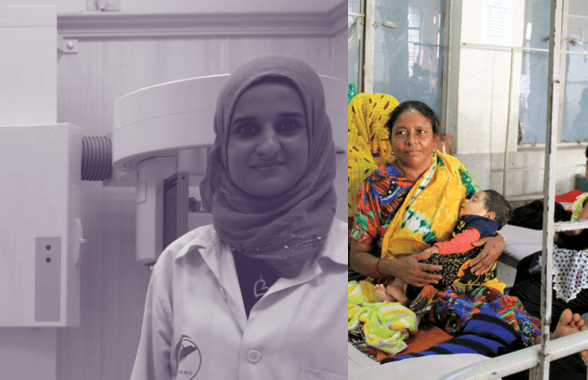
The World Medical Association has expressed shock at prison sentences handed down to several leading Turkish physicians

Dr. Sebnem Korur Fincanci, the Chair of Human Rights Foundation of Turkey and former member of Istanbul Chamber of Medicine Honorary Committee, was sentenced this week to two years six months imprisonment. And last week Dr. Ozdemir Aktan, a former president of the Turkish Medical Association, was sentenced to one year and three months imprisonment, while a court in Istanbul ruled that the prison sentence of two years three months handed down to Dr. Gençay Gürsoy, a former Chair of the TMA and one of the founders of Human Rights Foundation of Turkey, would be upheld.

WMA Chair Dr. Ardis Hoven said: ‘We are shocked at what is going on in Turkey. These physicians, along with many other doctors and health care workers, are being punished for supporting a petition calling on the Turkish government to stop the violence against civilians. These are just the latest examples of the Turkish authorities completely ignoring the most basic human rights by violating the right to free speech. The WMA has repeatedly called on the Turkish Government to call a halt to the appalling harassment of physicians and academics in Turkey following the failed coup in 2016’.

Dr. Gürsoy was unable to attend the court hearing for medical reasons and his sentence will now go through an appeals process.

Dr. Hoven called for the charges against these and other physicians facing trial, to be dropped unconditionally. Former members of TMA’s boards, including Dr. Feride Aksu Tanik, a former Secretary General of TMA and official advisor to WMA, are facing trial or sentences on the same charges of supporting terrorism. Many of them have lost their jobs, had their passports cancelled and will never be able to work in public institutions.

See here

In memory of our comrade and friend Amit Segupta

The international movement for health is still shocked with the unbelievable news of the premature departure of our comrade and friend Amit Segupta.

Amit was a leader of our movement. His sharp academic and research view combined with his clear philosophical perspective resulted in his dynamic and influential involvement in the international popular movement for health.

With limitless qualities and skills, Amit, usually working with a rare modesty, coordinated masterly all kind of activities, going from the intensive intellectual work of assuring the scientific and political cohesion of all the five issues of the Global Health Watch to the tremendous efficiency in reorganising, as a real magician, in a few hours, the programme of the 4th People’s Health Assembly, saving this crucial for the international movement event.

Through his active involvement in the courses of the International People’s Health University and the coordination of the WHO Watch activities, Amit is the mentor of a series of young activists who had the chance to work with him. 

The strategic quality -seldomly found, unfortunately- of Amit’s presence was his ability, position and will to combine and articulate the local and the thematic movements to the real and big screen, i.e. to the international movement for social emancipation. The abrupt vacuum that his departure produced  especially in this strategic perspective will, unfortunately, influence negatively the movement at this crucial period.

On behalf of the members and activists of he International Association of Health Policy in Europe  we offer our condolences and solidarity to Amit’ s wife Tripta and son Arijit and express our solidarity with all People’s Health Movement activists all over the world.

Long live Amit Segupta!

Hasta la victoria siempre!

People’s Health Movement (PHM) tribute: Dr Amit Sengupta

It is with extreme sadness that we announce the passing away of our dear comrade Dr. Amit Sengupta, a beloved colleague, friend, mentor and activist.  Amit passed away on 28 November 2018, in a swimming accident in Goa, India.

Amit was a founding member of PHM at its creation in 2000 in Savar, Bangladesh.

Trained as a medical doctor, Amit dedicated his life to the struggle for universal access to health, and worked on issues related to public health, pharmaceuticals policy and intellectual property rights. He led several research projects in the area of public health and medicines policy, and was associated with several civil society platforms and networks, including the All India People’s Science Network. He was the Associate Global Coordinator of People’s Health Movement (PHM) and coordinated the editorial group of the Global Health Watch and the WHO Watch. He was the Co Convenor of Jan Swasthya Abhiyan (JSA), the Indian Chapter of PHM. He wrote regularly for journals and newspapers across India and the world.

Amit played a key role in the recently concluded People’s Health Assembly in Dhaka where more than 1400 people from around 73 countries came together to share their struggles and plan for coordinated action for health and social justice.

Amit brought his enormous political, organisational and leadership capacity to PHM. We were privileged to have him as a co-traveller. He leaves us a wonderful legacy: the magic of his life, his intelligence, warmth, honesty, joy, wry humour and his steadfast commitment to a just and equitable world.

The untimely demise of this special comrade and friend is an irreparable loss to all of us personally, Amit’s family and for the broader health movement globally and in India. We offer our condolences and solidarity to Amit’s wife Tripta and son Arijit.  PHM and JSA will continue to carry forward Amit’s vision of strengthening the public health movement towards health for all.

Thank you comrade Amit.

Adios, Red Salute, Laal salaam!

Long Live Amit Sengupta!

People’s Health Movement Steering Council and Global Secretariat

28 November 2018

Political Economy and Health – Open Lecture Series year III – Academic year 2018/2019

22nd November 2018| 5.30 pm

Michael Mason seminar room, Yvonne Carter Building (Whitechapel Campus) 58, Turner Street E1 2AB

Stavros Mavroudeas: “Financialization Hypothesis: A Creative Contribution or a Theoretical Blind Alley?”

The financialization hypothesis has been interpreted in varying ways. Mavroudeas argues that it misrepresents contemporary developments in capitalism and fails to understand the function of fictitious capital in times of prolonged crisis and stagnation.

Stavros Mavroudeas is a Professor in Political Economy at the University of Macedonia in
Thessaloniki-Greece. He holds a Ph.D in Economics from Birkbeck College. He is an expert in Marxist Political Economy and has published extensively on Macroeconomic Policies, Regulation Theory, and Labour Theory. His research interests are in Political Economy, History of Economic Thought, Development Economics, Labour Economics, Economic Growth.

***

6th December 2018| 1.30 – 2.30 pm

Clark Kennedy Lecture Theatre, Innovation Centre (Whitechapel Campus), 5, Walden Street E1 2EF

Marianna Fotaki: “Choice and Equity in Healthcare: What Theory and Evidence Suggest?”

Patient choice is a widely used tool to achieve desired policy goals and improve efficiency in public health. However, pre-existing inequalities could influence patient’s access to information its ability to choose. Fotaki presents a multidisciplinary framework to explain rationale, process, and outcomes of patients’ decision-making. 

Marianna Fotaki is a Professor in Business Ethics at the University of Warwick. She holds a degree in Medicine and Health Economics, and a Ph.D in Public Policy from LSE. She has worked for Médecins du Monde and Doctors without Borders. She co-directs the Centre for Health and Public Interest (CHPI) and is Senior Editor for Organization Studies. Her research interests revolve around business ethics, institutional corruption, markets, consumerism, and leadership in public services, and gender and ethics of diversity in organisations.

***

21st February 2019| 6 pm

Michael Mason seminar room, Yvonne Carter Building (Whitechapel Campus) 58, Turner Street E1 2AB

Alfredo Saad Filho: “The Rise and Rise of Authoritarian Neoliberalism”

Ten years after the beginning of 2008 financial crisis, Filho explores Neoliberalism as a stage in the development of capitalism underpinned by financialization, how it has permeated every day’s life, and what are the possible alternatives.

Alfredo Saad-Filho is Professor of Political Economy at SOAS University of London and was a senior economic affairs officer at the United Nations Conference on Trade and Development. He has published extensively on the political economy of development, industrial policy, neoliberalism, democracy, alternative economic policies, Latin American political and economic development, inflation and stabilisation, and the labour theory of value and its applications. 

Organised by

Queen Mary University of London * International Health and Political Economy of Health Research Group

With the Support of

International Association of Health Policy in Europe * International Initiative for
Promoting Political Economy * London Interdisciplinary Social Science
Doctoral Training Partnership

All lectures are free and open to the public.
For any query, please contact the organising
committee of IHPEH Open Lectures:
Arianna Rotulo (a.rotulo@qmul.ac.uk),
Dr Jonathan Filippon (j.g.filippon@qmul.ac.uk)
and Dr Elias Kondilis (e.kondilis@qmul.ac.uk)


OPEN LECTURE SERIES3_QMUL

Professor Onur Hamzaoğlu is free!

On July 19th, the physician and professor Onur Hamzaoglu, known as “Haka”, “Teacher”, was set free, after 150 days of detention in the highest security prisons of Ankara.

He was arrested at the beginning of February for signing a solidarity call for the people of Afrin, demanding Turkey’s war operation (“Olive branch)” to stop.

A professor of public health, director of a medical journal magazine and researcher who developed protocols for the treatment of leukemia, Hamzaoğlu is a man very annoying for the regime. He was expelled from the university in 2016, along with thousands of others who became known as “University for Peace”.

His unfair arrest and detention for so many months prompted a great wave of solidarity with a central message ‘Hoca Onur’. Among the solidarity events, his colleagues prepared for Onur a theater performance in Ankara:

1-onur

2-onur

3-onur


PHM: Condemn Israeli action against Palestinian people

The People’s Health Movement condemns in the strongest terms recent Israeli violent actions against Palestinian people in the Gaza strip and in the West Bank, in particular the unrestrained use of force, including lethal means, against peaceful protesters, journalists and medical personnel. We pay tribute to the health workers and medical personnel, many of whom who are members of our movement, who are taking part in mass actions and are providing first aid.

The massacre on Monday May 14, which has killed more than 60 is particularly worrisome. We are saddened  that once again medical professionals and volunteers were hit. On the other ha nd, the courageous support of some of our member organisations is a source of pride for our global movement. (See the report from PMRS and videos from organisations working on the ground: video1, video 2video 3 and another report here).

In light of these extremely distressing events, we demand immediate measures from international actors to pressure Israel to cease targeting civilians and abide by its international obligations. We urge the international community to hold Israel accountable for these crimes. We resolve to strengthen our solidarity with our member organisations in Palestine and with the Palestinian people because their people’s liberation will depend on their continuing struggle to end the occupation.

On behalf of the PHM Steering Council

Contra el despido de la profesora Sonia Fleury

Quienes suscribimos, académicos y profesionales de la salud de todo América Latina externamos nuestro asombro e indignación por el despido de nuestra amiga y compañera Sonia Fleury. Con esta medida se desconoce su amplia trayectoria académica y sus aportes como investigadora y militante política que la han llevado a una alta valoración  en el campo de la salud colectiva de nuestro continente. 
Sonia Fleury,  ha dedicado su vida a estudiar y defender el derecho universal a la salud y sus aportes son invaluables. Desconocer su gran capacidad y su trabajo refleja la crisis brasilera. 
Exigimos desde todo el continente una disculpa pública y el reintegro a sus Labores. 
 
Por la Asociación Latinoamericana de Medicina Social